Being an influencer is the most desired profesion for the younger generation. The lavish lifestyle mixed with the popularity seems to be very desrirable. According to Fortune, “Gen Alpha watched influencers make millions from daily vlogs and video game content—now they want a piece of the pie. The generation’s top career choice is to become a YouTuber or TikToker, according to a recent survey of 12 to 15-year-olds.” This centiment was also ecoed by CNBC, saying that “Vlogger/YouTuber” is the top career aspirations for the children of the United States and United Kingdom. Even though the fame and the fortune of the bigger content creators is inspiring, there is alot of hard work that goes into being an influencer.
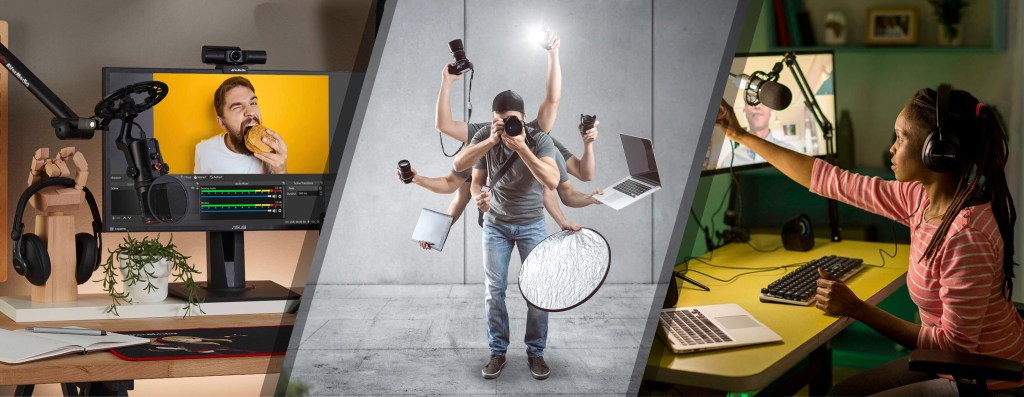
Being a smaller scale creator, every responsibilty falls under yourself. This includes the research and ideation phases (which includes brainstorming, data checking, an keyword study), production (which includes writing and scripting, recording, and designing), and post-production and publishing (which includes editing, scheduling, analyzing). On top of all of this, you still need to network with other creators, do the marketing behind your channel, and legit eveyrthing else. Obviously once a content creator gets bigger, they will hire people onto their team to help them, but that doesn’t change the hard work that goes behind it.
On top of all the work, there is also big negatives that comes with content creation. With your life being public, privacy is something that gets diminished. So many vloggers have showcased their life so hard where they can’t go out without being recognized or even doxed. Creators own homes have been discovered because of their life being so public.
In addition, it seems like the mental health of content creators is lower compared to others. Some examples of these mental health struggles could be anxiety, depression, and burnout. A study from Harvard’s Center for Health Communication shows that 10% of content creators report feeling suicidal thoughts related to their work—nearly double that of the broader U.S. population. An interview with Amanda Yarnell, senior director of the Center for Health Communication at Harvard T.H. Chan School of Public Health, shows this data. She talks about how “this survey reveals the pressures that come alongside those responsibilities: The financial pressure. The obsession over content performance. The burnout. The constant toxicity. And the isolation.”Obviously these problems are very impactful and showcasing your life online can potentially make them worse. Its very important that people dealing with mental health issues have people to talk to help.
Overall, content creatior is very rewarding in several ways but it also has some negatives. It’s importnant that creators create boundries and practice safe habits in order to make sure they are mentally and physical protected. For anyone dealing with mental health issues, call or text 988 at any time or chat live at 988lifeline.org/chat.
 Ryan Lopano Blog
Leave a comment