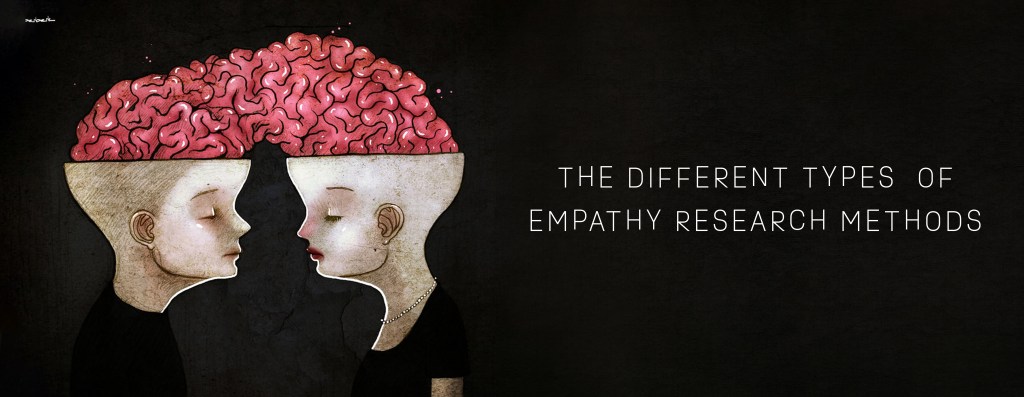
Empathy research methods are really important for designers in order to understand customers’ emotions when they are interacting with different things. Ale Wiecek describes, “These research methods are designed to allow researchers to first be an observer, to gather enough information on the problems they are exploring, before making assumptions. It reinforces the importance of understanding a problem or experience from the customer/user’s perspective, rather than our own.” This is very important when it comes to designers, as it is their job to develop products and overall solutions that bode positively for users.
What I view as one of the most effective empathy research methods is the “ask what–how–why.” This is pretty self-explanatory, and that’s why I think it works so well. All it truly requires is watching someone do a task and trying to understand it. This is shown in the name, as you can ask what they are doing, how it works, and why that is the case. This is useful for designers, as it helps researchers look beyond obvious behavior and design products and solutions based around them. This is why user testing is so important, as it uses processes such as asking what, how, and why.
Something that I view as something useful is personal photo and video journals. Being able to capture both photography and videography and being able to learn from it is very helpful, especially when designing. As someone with 40,573 photos and videos on my phone, it’s pretty clear that I use this strategy quite a bit. This is especially useful for visual learners, as you can physically see whatever is being photographed or videoed. In addition, it also improves the accuracy of the information, as you will physically be able to see everything.
One method that I’ve used at Quinnipiac University is creating journey maps. A journey map visually shows different stages that a person goes through during any sort of experience. Jounry maps are really good specifically for finding out pain points, highs and lows, holes in the experience, and any other opportunities for improvement. All of these are good to help progress a design.
Overall, all these methods work in various different ways and help reinforce the importance of understanding a problem. These three methods have worked countless times in order to find information from the client and eventually execute the solution.


Leave a Reply